Pressure injuries are complex wounds requiring a comprehensive approach to care. Pressure redistribution, wound management, infection control and treatment of underlying conditions are all critical. There is another factor that deserves close attention: nutrition.
For patients with pressure injuries, particularly those who are malnourished or at risk for malnutrition, adequate energy and protein intake can help supply the building blocks the body needs for tissue repair.
Why Protein Matters
Wound healing increases the body's demand for nutrients. Protein supplies amino acids needed for:
-
tissue synthesis
-
collagen formation
-
immune function
-
other processes involved in wound repair
Pressure injuries themselves may also contribute to protein losses and increased metabolic demands, making adequate intake especially important, according to a 2024 practical guideline from the European Society for Clinical Nutrition and Metabolism.1
What’s more, Patients with pressure injuries are often older or medically complex, and they may also have:
- poor appetite
- trouble eating
- illness
- other factors that reduce food intake
All this makes nutritional screening and assessment an important part of pressure injury management. When patients cannot meet their nutritional needs through food alone, clinicians may consider oral nutrition supplementation as part of an individualized care plan.
What the evidence shows...
and what it doesn't
Research on specialized nutritional formulas for pressure injury healing is encouraging but not conclusive, and clinicians should weigh all the facts before drawing firm conclusions.
A 2024 Cochrane review of nutritional interventions for preventing and treating pressure ulcers found that:
- energy, protein and micronutrient supplementation may modestly improve healing
- the reviewers rated much of the available evidence as low or very low certainty
- differences in formulations, small trial sizes and other limitations were cited2
That caveat matters: it means the field's most rigorous, independent evidence synthesis cannot yet say with confidence how much benefit to expect, or for which patients.
Within that broader body of uncertain evidence, some individual trials have shown clearer results.
In a multicenter randomized controlled trial published in the Annals of Internal Medicine:
- 200 malnourished adults with Stage II, III or IV pressure ulcers received either a high-calorie, high-protein oral formula enriched with arginine, zinc and antioxidants, or a control formula with the same amount of calories and protein as the intervention formula.
- After eight weeks, the enriched-formula group had significantly greater reduction in pressure ulcer area: with a mean reduction of 60.9%, compared with 45.2% in the control group (P = .017).
- It is also important to note that all participants were malnourished, a population at increased risk for inadequate intake of essential nutrients, including micronutrients. The control group also received high-quality nutritional support, providing a stronger comparison than typical usual care.3
A subsequent systematic review and meta-analysis built on those findings, reporting that formulas enriched with arginine, zinc and antioxidants were associated with:
- greater reductions in pressure ulcer area
- a greater likelihood of achieving at least a 40% reduction in wound size after eight weeks, compared with control interventions4
Taken together, the evidence suggests specialized nutritional formulas may help some patients, but the size of that benefit, and how confidently clinicians can predict it, remains an open question. Current NPIAP guidance emphasizes an individualized approach, recommending that energy and micronutrient supplementation be considered for individuals at risk of pressure injuries who have known malnutrition or micronutrient deficiencies, alongside supplementation that meets their protein needs. That reinforces the importance of assessing each patient’s nutritional status and needs when determining the appropriate nutrition intervention.5
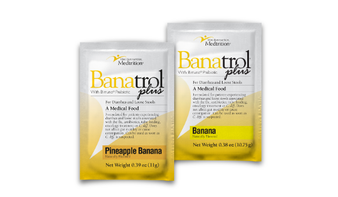
That’s why Medtrition continues to build on its 40 years of innovation, education and collaboration to advance specialized nutrition.
Putting Nutrition into Practice
Oral protein supplementation should not be viewed as a stand-alone treatment for pressure injuries. It's one component of comprehensive wound care, and the decision to use it should rest on individual patient assessment rather than the assumption that more supplementation is always better.
Dietitians, nurses, physicians, wound care specialists, and other members of the care team can work together to:
- assess nutritional status
- establish appropriate energy and protein goals
- address barriers to intake
- monitor how the patient responds over time
For patients who struggle to meet increased nutritional needs through meals alone, a concentrated oral protein source or specialized nutrition formula may offer one practical option among several for helping close that gap, guided by clinical judgment rather than applied uniformly.
The takeaway for clinicians: Don’t overlook the patient’s individual nutritional needs when managing a pressure injury, and consider the strength of the evidence when determining the appropriate nutrition intervention.
Sources
- Wunderle C, Gomes F, Schuetz P, Stumpf F, Austin P, Ballesteros-Pomar MD, et al. ESPEN practical guideline: Nutritional support for polymorbid medical inpatients. Clinical Nutrition. 2024;43(3):674–691. doi:10.1016/j.clnu.2024.01.008
- Langer G, Wan CS, Fink A, Schwingshackl L, Schoberer D. Nutritional interventions for preventing and treating pressure ulcers. Cochrane Database of Systematic Reviews. 2024;(2):CD003216. doi:10.1002/14651858.CD003216.pub3
- Cereda E, Klersy C, Serioli M, Crespi A, D'Andrea F; OligoElement Sore Trial Study Group. A nutritional formula enriched with arginine, zinc, and antioxidants for the healing of pressure ulcers: A randomized trial. Annals of Internal Medicine. 2015;162(3):167–174. doi:10.7326/M14-0696
- Cereda E, Neyens JCL, Caccialanza R, Rondanelli M, Schols JMGA. Efficacy of a disease-specific nutritional support for pressure ulcer healing: A systematic review and meta-analysis. The Journal of Nutrition, Health & Aging. 2017;21(6):655–661. doi:10.1007/s12603-016-0822-y